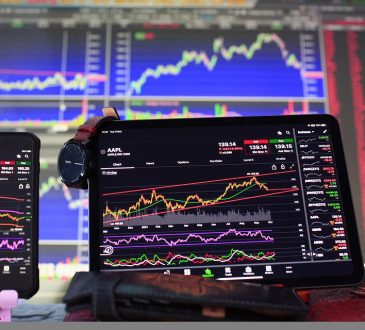

Short-term trading has become increasingly appealing to market participants who prefer a hands-on approach and the opportunity to respond quickly to price movements. Unlike long-term investing, which focuses on gradual value accumulation, short-term trading is centred on capturing smaller price fluctuations over shorter periods. For active traders, this style offers flexibility, constant engagement, and the chance to develop a disciplined decision-making process rooted in market behaviour rather than long-term forecasts.
However, success in short-term trading is rarely accidental. It requires a clear understanding of strategy, risk management, and trader psychology. Without structure, short-term trading can quickly turn from an opportunity into a source of costly mistakes. This guide explores practical short-term trading strategies designed to help active traders operate with clarity, consistency, and confidence.
Understanding the Nature of Short-Term Trading
Short-term trading typically involves holding positions anywhere from a few minutes to several days. The objective is to profit from price momentum, technical patterns, or short-lived market reactions to news and data. Because trades are executed frequently, small inefficiencies can compound rapidly, making preparation essential.
Active traders often rely on technical analysis rather than company fundamentals alone. Price action, volume, volatility, and trend indicators play a central role. That said, understanding broader market context remains important. Macroeconomic announcements, earnings releases, and shifts in market sentiment can all influence short-term price behaviour.
Short-term trading also demands emotional discipline. Rapid market movements can trigger impulsive decisions, especially when positions move against expectations. Traders who succeed in this environment typically follow predefined rules and avoid emotional reactions to short-term noise.
Momentum-Based Trading Approaches
Momentum trading is one of the most widely used short-term strategies. It focuses on identifying assets that are already moving strongly in one direction and entering trades that align with that movement. The assumption is that price momentum, once established, often persists long enough to create trading opportunities.
Active traders using momentum strategies pay close attention to volume. A price move supported by rising volume is generally considered more reliable than one occurring on low participation. Breakouts from consolidation zones or key technical levels often attract momentum traders, especially when confirmed by strong market activity.
Timing is critical in momentum trading. Entering too late can expose traders to sudden reversals, while entering too early can result in false signals. This is why many traders combine momentum indicators with clear entry and exit criteria to manage risk effectively.
Range Trading in Sideways Markets
Not all markets trend strongly. During periods of consolidation, prices often move within a defined range, creating opportunities for range-based strategies. Range trading involves identifying support and resistance levels and buying near support while selling near resistance.
This approach requires patience and precision. Traders must be comfortable waiting for prices to approach key levels rather than chasing movements in the middle of a range. Technical tools such as oscillators can help identify overbought or oversold conditions, which often align with range extremes.
For traders building experience in short-term stock trading, range-bound conditions can offer a more structured environment to refine execution skills while avoiding the stress of high-volatility breakouts.
News and Event-Driven Trading
Short-term price volatility often increases around scheduled economic releases or unexpected news events. Event-driven traders aim to capitalise on these rapid movements by preparing in advance and reacting quickly when data is released.
This strategy requires an understanding of market expectations. Prices often move not just on the news itself, but on how the news compares to forecasts. A result that deviates significantly from expectations can trigger sharp short-term reactions.
Because volatility can spike suddenly, risk management is especially important. Position sizing, stop placement, and awareness of liquidity conditions all play a role in managing exposure during high-impact events.
The Role of Strategy Selection and Education
Choosing the right strategy depends on individual preferences, available time, and risk tolerance. Some traders thrive in fast-paced momentum environments, while others prefer the structured nature of range trading. Understanding the mechanics behind different approaches is essential before committing real capital.
For those exploring or refining their approach, gaining a solid foundation in short-term stock trading principles can help bridge the gap between theory and real-world execution. A structured learning framework allows traders to understand not only how strategies work, but also when market conditions support them.
Continuous education is a hallmark of successful active traders. Markets evolve, and strategies that worked well in one environment may underperform in another. Staying informed allows traders to adapt without abandoning discipline.
Conclusion
Short-term trading offers active traders the opportunity to engage dynamically with the markets, but it also demands preparation, discipline, and self-awareness. Strategies such as momentum trading, range trading, and event-driven approaches each offer unique advantages when applied in the right conditions. The key lies in selecting methods that align with individual goals and maintaining a strong commitment to risk management.
By focusing on process rather than outcomes, traders can develop consistency and resilience, even in fast-moving markets. Short-term trading is not about chasing every opportunity, but about recognising high-quality setups and executing them with confidence. With the right strategies and a disciplined mindset, active traders can navigate short-term markets with greater clarity and control.