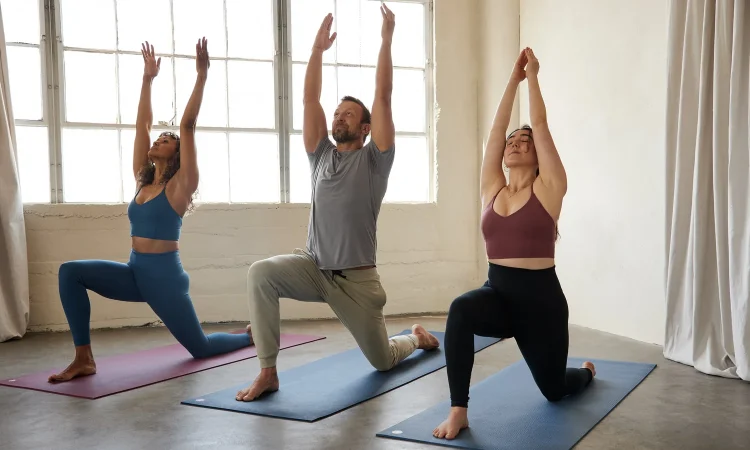
Workplace yoga is often delivered as one standard class for everyone. That approach is convenient, but it overlooks how differently jobs load the body and attention. A warehouse employee, software developer, nurse and sales representative may arrive with completely different forms of fatigue.
When companies arrange yoga classes, the session should reflect the workforce rather than a generic idea of office wellness. Matching format, timing and physical demand to job context can improve accessibility while reducing the risk that the programme becomes another obligation employees must endure.
Begin With a Job-Demand Assessment
Employers do not need invasive medical data to understand broad work patterns. They can identify whether roles involve prolonged sitting, standing, lifting, driving, repetitive hand use, shift work, customer interaction or sustained concentration.
Employee input is essential because job descriptions rarely capture the full experience. A short anonymous survey or facilitated discussion can reveal when fatigue peaks, what barriers prevent participation and which formats feel useful. The aim is programme design, not health surveillance.
Desk-Based Teams Need Movement Variety
Office workers may spend long periods sitting, looking at screens and using the hands in a narrow range. They do not necessarily need aggressive stretching or an exhausting midday workout. A useful class can reintroduce standing, rotation, reaching, balance and moderate strength.
Sessions should also acknowledge that prolonged sitting is a schedule problem, not a personal failing. Brief movement opportunities during the workday, adjustable workstations and realistic meeting practices support the class. Yoga alone cannot compensate for a culture that prevents employees from taking breaks.
Standing Roles Need More Than Leg Stretches
Retail, hospitality and laboratory employees may stand for much of the day. Their legs and feet can feel tired, but long passive stretching is not the only answer. Supported movement, ankle variation and changes in load may feel more restorative.
A class for standing workers might include floor-based positions, gentle hip movement and controlled calf work without prolonged standing sequences. Timing matters because asking employees to remain on their feet through a class immediately after a shift may reduce participation.
Manual Roles Already Carry Physical Load
Warehouse, maintenance and production teams may lift, carry, push and work in awkward spaces. A vigorous strength-focused yoga session can duplicate demands they already face. Recovery-oriented mobility and breathing may be more appropriate on heavy workdays.
This does not mean manual workers should avoid strength. It means the programme should account for occupational load and established safety procedures. Yoga instruction should never replace task-specific ergonomics, equipment or professional manual-handling training.
Drivers Need Accessible Hip and Spine Movement
Professional drivers and field staff can spend many hours seated with limited opportunities to change position. Their programme may benefit from short sessions scheduled around safe breaks rather than a single long class that is difficult to attend.
Standing supported lunges, gentle spinal movement and shoulder exercises can be delivered without floor work when uniforms or locations make mats impractical. Employers must ensure that participation does not reduce legally or operationally required rest.
Healthcare Workers Face Physical and Emotional Demands
Healthcare roles may combine walking, patient handling, long standing, rapid decisions and emotional strain. A class designed only to stretch the lower back will miss much of that context.
Short, optional sessions across different shifts may be more accessible than one lunchtime event. Movement can be paired with simple down-regulation practices, while clear boundaries prevent yoga from being presented as a cure for understaffing or traumatic workplace exposure.
Customer-Facing Teams Carry Social Fatigue
Employees in sales, service and reception roles may spend the day regulating expression, managing conflict and remaining attentive to other people. They may value a class with low social pressure and minimal partner work.
The instructor can provide clear choices, avoid public correction and allow quiet participation. A session intended to restore attention should not require employees to perform enthusiasm in front of colleagues.
Creative and Technical Roles Need Different Pacing
Designers, developers, analysts and other knowledge workers may experience deep concentration followed by mental fatigue. A fast sequence can provide a decisive transition out of work, but complex choreography may feel overwhelming after an intense cognitive day.
Predictable movement patterns with moderate challenge can help shift attention without adding excessive decision-making. Some teams may prefer a short energetic session, while others respond better to slower sensory-focused work. A pilot can identify the better fit.
Shift Workers Need Schedule Equity
A class offered only at midday benefits conventional office schedules. Night, early and rotating shift employees may never have realistic access. Recording a session does not fully solve the problem if workers lack protected time or suitable space.
Companies can rotate live times, commission shorter formats and provide options before or after different shifts. Participation should remain voluntary because an employee finishing overnight work may need sleep more than exercise.
Remote Employees Need More Than a Video Link
Online yoga can include distributed teams, but home environments vary. Some employees have little floor space, caregiving responsibilities or concerns about appearing on camera. The class should work with cameras off and offer standing or chair-based alternatives.
Instructions must be clear enough for participants who cannot see the screen during a pose. Recorded sessions should include safety guidance, but live interaction remains valuable for questions. A mixed programme can combine real-time and on-demand access.
Match Duration to Operational Reality
A sixty-minute session may work for a corporate team with protected time, but not for a service desk that must remain staffed. Fifteen or twenty-minute sessions can be rotated across groups without closing operations.
Short sessions need a focused objective. One may emphasise movement variety after sitting, another foot and leg recovery after standing. Trying to compress a complete studio class into ten minutes often creates rushed transitions rather than value.
Consider When Fatigue Appears
The same class can feel different before and after a shift. A physically active team may prefer gentle recovery afterwards, while desk workers may welcome moderate movement at midday. Early sessions may be unsuitable for employees arriving from long commutes.
Surveying several time options is better than assuming. A pilot should also assess whether workload genuinely allows attendance. Empty classes may reflect scheduling barriers rather than lack of interest.
Keep the Instructor Properly Briefed
The instructor needs to know group size, job patterns, room conditions, available props and expected experience. They should not receive confidential employee health information. Participants can communicate individual concerns privately when appropriate.
An instructor experienced with mixed workplace populations can offer layered options and avoid competitive language. The company should discuss consent for hands-on adjustment, emergency procedures and insurance before the programme begins.
Preserve Choice and Psychological Safety
Employees must be able to opt out without career consequences. Some people may have medical, cultural, religious or personal reasons for declining. Alternatives such as walking breaks or flexible wellbeing support make the programme more inclusive.
Photography, attendance publicity and team challenges require caution. A wellness session should not become a visibility test. Anonymous feedback allows employees to discuss discomfort or barriers without having to criticise the programme publicly.
Connect Yoga With Better Work Design
At Yoga Edition, employers can discuss class formats that fit different groups, but instruction should remain one layer of a wider wellbeing strategy. Workload, staffing, break access and equipment continue to shape employee health.
If a team repeatedly reports pain or exhaustion, the response should include occupational assessment and operational change. Asking the instructor to add more stretches is not enough. Yoga supports people best when the organisation also improves the conditions around them.
Design for the Work People Actually Do
Matching yoga to job demands does not require a separate complex programme for every employee. It requires identifying dominant patterns, offering meaningful variations and scheduling sessions where they can realistically be used.
A tailored programme communicates that the company has listened. It gives desk workers movement, standing teams recovery and shift workers access, without pretending that one sequence solves every workplace challenge.
Frequently Asked Questions
Should every department receive the same yoga class?
Not necessarily. Shared classes can work, but movement options, timing and intensity should reflect the different demands employees face.
Are short workplace sessions effective?
Yes, when they have a clear purpose and occur consistently. Short sessions can improve access and movement variety without disrupting operations.
Should manual workers attend strength-focused yoga?
They can, but occupational load must be considered. Recovery-oriented sessions may suit heavy workdays better than additional high-effort training.
Can employees practise yoga in work clothes?
Chair-based and standing sessions can often be completed in ordinary clothing. Full classes require appropriate movement freedom and changing time.
How can a company assess employee needs privately?
Use anonymous surveys about job patterns, timing and format preferences. Avoid collecting unnecessary diagnoses or individual medical details.
Does workplace yoga replace ergonomic improvements?
No. Equipment, task design, staffing, breaks and safety procedures remain essential. Yoga should complement, not replace, organisational responsibility.