Mastering the Art of Management: Balancing Vision, People, and Performance in a Changing World

Redefining Management for a New Era
Management has long been described as the backbone of any successful organisation. Yet what it means to manage—and to manage well—has transformed dramatically over the decades. Gone are the days when management was synonymous with rigid hierarchies and inflexible command-and-control models. Today’s best managers act less like overseers and more like orchestrators of collaboration, culture, and change.
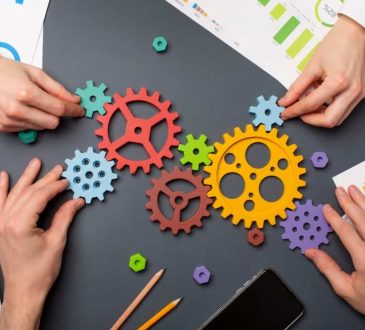
Management, in its truest sense, is an art form: the delicate craft of aligning diverse talents, ambitions, and processes to create something far greater than the sum of its parts. It is both a science—anchored in proven principles—and a fluid, intuitive discipline that must evolve in step with shifting markets, technologies, and expectations.
The Core Functions of Modern Management
While the tools and contexts may change, the fundamental pillars of management remain remarkably consistent. They provide the scaffolding upon which strong organisations are built.
1. Planning
-
Every effective manager must master the ability to plan: to chart a clear path from vision to reality.
-
Good planning requires setting achievable goals, allocating resources wisely, and anticipating obstacles.
-
In agile organisations, planning is no longer static but continuous—adapting to new data and circumstances in real time.
2. Organising
-
Structure matters. A manager’s role is to design workflows, clarify roles, and ensure that responsibilities align with strategic goals.
-
Effective organising reduces friction, minimises duplication of effort, and empowers teams to deliver results with confidence.
-
Today, the rise of remote work demands new organisational models that are both flexible and resilient.
3. Leading
-
Leadership is the soul of management. It is about motivating people, building trust, and inspiring others to give their best.
-
The modern manager must balance authority with empathy, guiding by example rather than mere directives.
-
Companies like Microsoft and Patagonia show how human-centred leadership can transform performance and culture.
4. Controlling
-
Control in management is not about micromanagement but about ensuring accountability and alignment with objectives.
-
This means setting benchmarks, measuring performance, and taking corrective action when necessary.
-
Modern control systems increasingly rely on real-time data and transparent feedback loops.
The Human Factor: People-Centric Management
Perhaps the most profound shift in management philosophy over the past century is the growing realisation that people are not just resources—they are the heart of any enterprise. Managing people well is not about squeezing every last ounce of productivity; it is about creating conditions in which individuals can thrive.
Elements of Effective People Management:
-
Empathy: Managers who genuinely understand the needs and aspirations of their team members build loyalty and trust.
-
Recognition: Acknowledging effort and celebrating wins—large and small—fuels motivation and morale.
-
Development: The best managers are mentors who nurture talent and invest in people’s growth.
Companies that treat people well—like Google, Unilever, or Salesforce—consistently rank among the most desirable places to work, proving that a happy, supported workforce is a strategic asset.
Navigating Change: Management in Uncertain Times
If there is one constant in the modern business landscape, it is change. Markets shift, technology evolves, crises emerge, and customer expectations transform overnight. Effective management today demands a comfort with uncertainty and a knack for steering teams through turbulent waters.
Key Strategies for Managing Change:
-
Clear Communication: In times of uncertainty, managers must provide clarity and honesty, even when answers are incomplete.
-
Agility: Organisations that empower managers to pivot quickly are better equipped to weather disruption.
-
Resilience: Strong managers foster cultures that see change not as threat but as opportunity.
COVID-19 offered a stark lesson in this reality, forcing managers across industries to rethink operations, shift entire workforces online, and maintain cohesion despite physical distance.
The Digital Dimension: Technology and Modern Management
Technology has radically transformed how managers operate. The days of managing solely through face-to-face meetings and paper reports are long gone. Today’s managers must harness digital tools to coordinate distributed teams, track performance metrics, and foster collaboration across time zones.
Digital Management Essentials:
-
Collaboration Platforms: Tools like Slack, Microsoft Teams, and Zoom keep teams connected and workflows seamless.
-
Data-Driven Decision Making: Managers rely on real-time analytics to measure progress and identify bottlenecks.
-
Automation: Routine tasks can be automated, freeing managers to focus on strategy and human interaction.
Yet, amid all this technology, the human element remains irreplaceable. Successful managers blend digital efficiency with emotional intelligence.
Challenges Facing Managers Today
Despite advances in tools and knowledge, the art of management is far from easy. Modern managers must juggle competing priorities and navigate complex interpersonal dynamics.
Common Challenges Include:
-
Remote and Hybrid Work: Balancing flexibility with accountability requires new models of oversight and support.
-
Generational Differences: Managers today often lead teams spanning four or five generations, each with distinct values and working styles.
-
Burnout and Wellbeing: Maintaining performance without sacrificing health and balance is an ever-present concern.
Organisations that support managers with training, mentorship, and realistic workloads find it easier to sustain high performance while keeping burnout at bay.
The Future of Management
Looking ahead, the manager of the future will need to be part strategist, part coach, and part technologist. The next wave of successful managers will be those who combine hard business acumen with soft skills and a willingness to adapt.
Emerging Trends in Management:
-
Flat Hierarchies: Many innovative firms are replacing rigid structures with more fluid, collaborative teams.
-
Purpose-Driven Leadership: Employees increasingly seek meaning in their work; managers must connect daily tasks to larger missions.
-
Lifelong Learning: Rapid change means managers can never stop evolving. Continuous learning will be essential.
From artificial intelligence that augments decision-making to global teams connected by the cloud, the future of management will blend timeless fundamentals with cutting-edge tools.
Conclusion: The Enduring Art of Management
At its best, management is more than a skill—it is an art that shapes people, steers organisations, and leaves lasting impact. A great manager does not merely extract results; they inspire excellence, nurture talent, and create cultures where people and ideas flourish.
In a world of constant flux, the principles of good management—clear vision, trust, adaptability, and human connection—remain remarkably resilient. They remind us that, despite the pace of change, the essence of managing well is timeless: it is about helping people do their best work, together, towards a common purpose.
And so, as the business landscape continues to evolve, one thing is certain: management, at its finest, will remain not just a profession, but a craft worthy of mastery, generation after generation.