
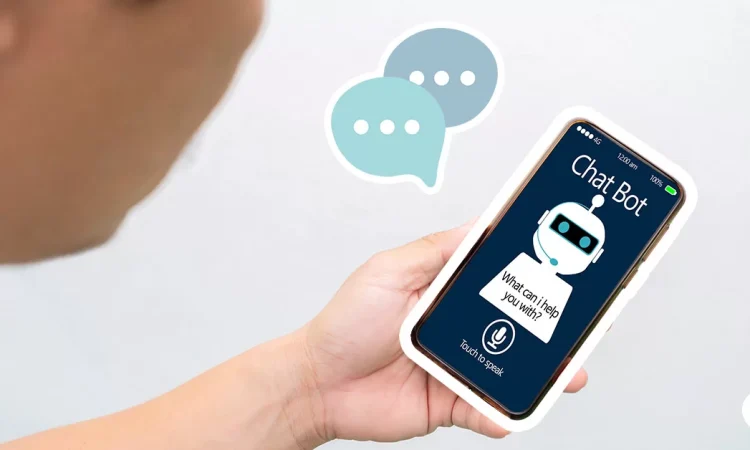
Creating a chatbot for your business is no longer just an option—it’s becoming a necessity. With more customers expecting instant responses and round-the-clock assistance, chatbots help companies remain competitive by improving support, engagement, and efficiency. Whether you’re running a small startup or managing a large enterprise, a chatbot can automate repetitive tasks and enhance your customer journey without increasing headcount.
Start Small and Scale Over Time
When building a chatbot, it’s wise to begin with a set of commonly asked questions. Focus on queries your customer service team handles most frequently, such as order status, pricing, or business hours. This forms the foundation of your chatbot, ensuring it delivers real value from day one.
As your business grows and you gather more insights, you can expand the bot’s capabilities. Add support for more complex queries, integrate with your CRM, or enable multilingual support. With time, your chatbot will evolve into a powerful business asset capable of handling more nuanced interactions.
Be Present on Multiple Channels
Many businesses initially launch chatbots on their websites. While this is a great start, limiting your chatbot to just one platform may restrict its impact. Customers now expect omnichannel experiences, so consider extending your chatbot to platforms like WhatsApp, Facebook Messenger, Google Assistant, or even Slack.
Doing so gives your business greater reach and flexibility. For example, Facebook Messenger offers a familiar, frictionless way for users to engage with brands. Using a platform like a Facebook chatbot builder helps automate customer conversations in real-time, without sacrificing quality. When set up thoughtfully, it not only supports lead generation but also helps build trust and long-term customer relationships.
Make Your Bot Feel Human
One of the biggest differentiators of a successful chatbot is its ability to mimic natural conversation. Nobody wants to talk to a robotic, rigid bot. The goal is to strike the right balance between automation and personality.
Using natural language processing (NLP) allows your bot to understand user intent and respond appropriately. This makes interactions smoother and more intuitive. In fact, over half of customers tend to provide feedback after a positive bot interaction, which shows how important tone and clarity are to user satisfaction.
To maintain engagement, your bot should also have realistic timing. Giving users a brief pause between messages simulates human conversation and feels more authentic. At the same time, avoid delays that feel like the bot is unresponsive. Even a quick, polite “Let me check that for you” can go a long way in keeping the conversation going without frustration.
Use Buttons and Quick Replies Wisely
Design plays an essential role in user experience. Buttons and quick replies should be intuitive, fast, and polite. For example, instead of replying with a cold “No,” offer alternatives like “Not quite, can I help with something else?” or “Would you like to speak to a human agent?” These subtle touches make your bot feel less transactional and more like a helpful assistant.
When implemented well, such interactions reduce friction and prevent users from dropping off mid-conversation. The more seamless your chatbot feels, the more likely customers are to engage with it and return in the future.
Real-World Examples of Chatbot Efficiency
Amazon is a prime example of chatbot usage done right. With millions of customer queries daily, it’s nearly impossible to rely solely on human agents. Their chatbot helps triage common requests—like package tracking or refund status—before routing complex issues to a live agent.
Another effective example is Impulse Creative’s chatbot, which guides users through their website based on selectable queries. Surfacing the most common challenges users face, it allows them to quickly find solutions without needing to dig through endless support articles. This kind of guided navigation not only improves engagement but also boosts conversion rates.
Creating a Positive Customer Experience
The interaction between users and bots must feel natural and helpful. AI-powered bots today can replicate human-like back-and-forth conversation, allowing for meaningful engagement even in the absence of a live agent. When done right, this experience builds emotional trust and strengthens brand loyalty.
That’s why many businesses are investing in conversational AI—not just as a support tool, but as a core component of their sales and marketing strategy. A well-trained chatbot can capture leads, provide product recommendations, upsell add-ons, and even guide users to checkout.
Chatbots have become a valuable tool for businesses looking to improve customer experience, especially when it comes to generating sales leads. They can quickly respond to common questions, qualify potential customers, and make the handoff to sales teams more efficient. As more people spend time on social media, it’s only natural for businesses to meet them where they are, particularly on platforms like Facebook Messenger. To make that easier, many are turning to a facebook chatbot builder, which allows them to automate conversations in a familiar setting, keeping interactions smooth, timely, and consistent. When set up thoughtfully, it not only supports lead generation but also helps build trust and long-term customer relationships.
Why Small Businesses Should Embrace Chatbots
Chatbots are not just for big corporations. In fact, small businesses stand to benefit the most from automation. With limited staff and tight budgets, bots help maintain 24/7 support without the cost of additional hires. This is particularly important for solopreneurs and lean startups trying to scale their operations without sacrificing service quality.
One smart strategy is to hire a virtual assistant to manage more complex tasks like appointment scheduling, follow-ups, or lead qualification in tandem with your chatbot. While the bot handles common inquiries, your virtual assistant can step in for nuanced conversations, ensuring customers always feel supported.
Best Practices for Building a Business Chatbot
To maximise the effectiveness of your chatbot, follow these proven best practices:
-
Define clear goals – Know whether your chatbot is for support, lead gen, FAQs, or internal use.
-
Keep language natural – Avoid jargon. Use short, friendly sentences that mimic everyday speech.
-
Use visuals where possible – Images, GIFs, and carousels make conversations more engaging.
-
Add escalation paths – Always offer the option to speak to a human if needed.
-
Track performance – Monitor chatbot analytics to identify where users drop off or get stuck.
-
Keep improving – Refine responses over time using real conversations and feedback.
Final Thoughts
A chatbot isn’t just a trendy tool—it’s a vital business asset when implemented correctly. From boosting customer satisfaction to freeing up your team’s time for strategic growth, chatbots can be your round-the-clock brand ambassador.
When you create a bot that feels conversational, functions efficiently, and integrates with the tools your customers already use, you’re laying the foundation for a smarter, more responsive business. Whether you’re using it to streamline support, qualify leads, or just offer friendly engagement, a chatbot can help you stay competitive in a digitally connected world.
Now more than ever, customers expect quick, personalised, and helpful responses. With the right chatbot solution in place, your business is always ready to deliver, no matter the time or channel.