
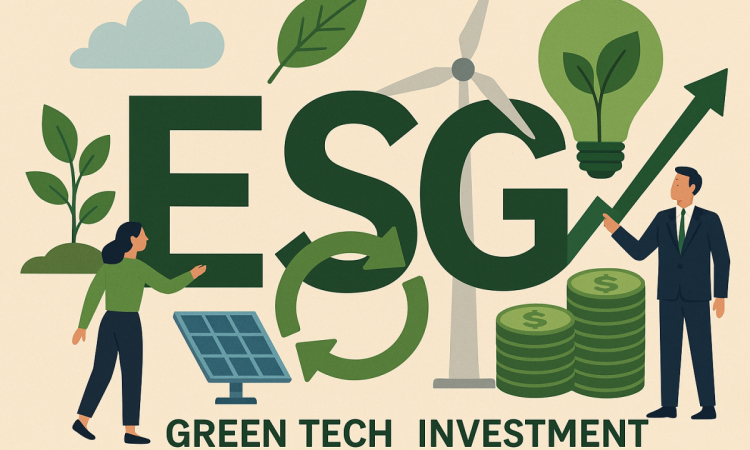
Sustainable and ESG (Environmental, Social, Governance) investing has shifted from a niche strategy to a global movement reshaping financial markets. Investors today want more than returns—they want their capital to support ethical, responsible, and future-focused businesses. Understanding current trends in ESG investing helps investors make informed choices aligned with both profit and purpose.
What Is ESG Investing?
ESG investing evaluates companies based not only on financial performance but also on how responsibly and sustainably they operate.
Core ESG Components
- Environmental: Carbon footprint, renewable energy use, waste management
- Social: Employee welfare, diversity, community impact
- Governance: Leadership transparency, ethical practices, board structure
Why ESG Investing Is Growing
The rise of ESG investing is driven by increasing environmental awareness, social accountability, and regulatory encouragement. Businesses embracing ESG practices often experience:
- Reduced long-term risk
- Higher consumer trust
- Stronger brand reputation
- Improved operational efficiency
Institutional investors, governments, and individual investors are now prioritizing sustainable investment strategies more than ever before.
Key Trends Shaping Sustainable and ESG Investing
1. Surge in Climate-Focused Investments
Climate change remains the leading driver of ESG momentum. Investors are prioritizing companies that:
- Commit to net-zero emissions
- Adopt renewable energy
- Develop climate technologies like carbon capture and green hydrogen
2. Increased Demand for Transparent ESG Reporting
Stakeholders expect companies to disclose sustainability metrics. More firms now publish:
- ESG reports
- Carbon reduction goals
- Social impact metrics
3. Growth of Green Bonds and Sustainability-Linked Loans
These financing tools help fund eco-friendly projects such as renewable infrastructure, clean transportation, and water conservation.
4. Rise of Social Impact Investing
Investors recognize the importance of human-centered issues, including:
- Workplace diversity
- Labor rights
- Supply chain ethics
5. Tech-Driven ESG Solutions
Artificial intelligence, data analytics, and blockchain are improving ESG data accuracy and reducing greenwashing risks.
6. Integration of ESG in Mainstream Portfolios
More asset managers now integrate ESG factors alongside traditional financial metrics, making sustainable investing a default strategy for many portfolios.
Benefits of Sustainable and ESG Investing
Enhanced Long-Term Performance
Research consistently shows that companies embracing sustainability tend to outperform over time.
Reduced Risk Exposure
Businesses with strong ESG practices are less vulnerable to:
- Legal issues
- Environmental liabilities
- Reputational damage
Alignment With Personal Values
Investors can support causes such as climate action, social equity, and ethical governance.
Better Market Resilience
ESG-focused companies often adapt more quickly to regulatory and market changes.
How to Start Investing in ESG
Identify Your ESG Priorities
Determine which issues matter most—environmental impact, workplace ethics, governance transparency, or a combination.
Evaluate ESG Ratings
Use ESG scoring systems from reputable agencies to compare companies based on sustainability practices.
Consider ESG Funds and ETFs
Many funds offer diversified exposure to companies meeting specific ESG standards.
Review Company Reports
Look beyond marketing claims. Analyze sustainability reports, goals, and measurable outcomes.
Stay Updated on ESG Regulations
Government policies influence sustainable investing trends, including emissions targets and reporting standards.
FAQs
1. Are ESG investments profitable?
Yes, many ESG portfolios show strong long-term performance due to reduced risk and forward-looking business strategies.
2. How do companies get an ESG rating?
Agencies score companies based on environmental impact, social responsibility, and governance practices using disclosed data and independent assessments.
3. Can ESG investing reduce portfolio risk?
Absolutely. ESG-focused companies are generally better prepared for regulatory changes, environmental risks, and reputational issues.
4. What is the difference between ESG and impact investing?
ESG evaluates corporate responsibility, while impact investing aims for measurable social or environmental change alongside returns.
5. Do all sustainable funds follow the same criteria?
No, ESG criteria vary widely, so investors should review each fund’s methodology.
6. How can beginners start ESG investing?
Beginners can start with ESG ETFs, sustainable mutual funds, or portfolios offered by robo-advisors.
7. Is ESG investing regulated?
Regulation is growing, with more governments requiring standardized sustainability reporting and transparency.